Allergy — Gluten Allergy / Gluten Free Diet / Yeast Allergy / Asthma / + other Allergies — Page 60

Non-Meat Meat

by Allergy Guy

My favorite non-meat meat is a style of Chinese cooking developed by Buddhists. They are true non-violent Buddhists who follow their beliefs closely, which precludes eating meat, since to eat meat means to harm an animal.

The thing is though, that the Chinese love their meat, so what to do?

They have developed this fantastic vegetarian cooking style that is so good, that most carnivore will not feel deprived of their meat if they eat these dishes!

The best example of this is a hole-in-the-wall restaurant in Penang, Malaysia. Home-cooked every day. Wish I could give you directions, but I’d only know how to find it if I was still there and tried walking there.

What I later found out is that this food based on wheat gluten. I did not know this at the time, and yet it did not seem to trigger my wheat allergy.

Obviously, celiacs must avoid this food! And yet I am left wondering why I was able to eat it without apparent problems. Why is this?

For a start, I am not celiac. Lucky me! I assume that I am not allergic to gluten, but some other protein in wheat. The other possibility is that because I was on an extended holiday at the time, my allergies where less noticeable.

So should I try this food again? Well, it seems a bit risky to me, but you never know, next time I am in Penang …

(Visited 1,190 times, 1 visits today)

{ 1 comment }

The recipe section on this allergy site is expanding more lately. If you have food allergies and are wondering what to eat, check out the recipe section here:

Food Allergy Recipes

(Visited 1,568 times, 1 visits today)

{ 0 comments }

Mangoes And Sticky Rice

by Allergy Guy

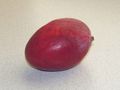
Mango

Makes 4 servings
Note: plan ahead. Read instructions carefully before starting.
This is a very tasty recipe, its worth the effort!

Ingredients

1 cup white glutinous rice
1 – 14 oz. can coconut milk (1-3/4 cups)
1/3 cup sugar
½ tsp. salt
2 medium to large mangoes
1 tsp. toasted sesame seeds

Instructions

  • Wash rice. Place in medium size bowl.
  • Cover rice generously with cold water;
  • Soak 4 to 6 hours.
  • Drain well.
  • Place in a colander or sieve with fine holes.
  • Set colander on rack over water in a large pot;
  • water must not touch rice.
  • Cover pot;
  • Bring water to a boil.
  • Reduce heat slightly;
  • steam rice 25 minutes.

Meanwhile,

  • Open can of coconut milk. Do this carefully, without shaking.
  • Spoon off ¼ cup of thick milk from top of can.
  • Place in small bowl, cover and
  • Refrigerate.
  • Stir remaining milk to blend.
  • Measure ½ cup; reserve remainder for another use.
  • Stir coconut milk, sugar, salt in small bowl till sugar is dissolved.
  • Remove rice from steamer.
  • Spoon rice into a 1-1/2 quart baking dish.
  • Stir sugar mixture into rice.
  • Cover, return to steamer and steam 10 more minutes.
  • Remove baking dish to a rack.
  • Let rice cool, covered, to room temperature.
  • Peel mangoes.
  • Remove pulp from seeds; slice.
  • Divide rice among 4 large dessert plates.
  • Top each serving with 1 tbsp. reserved thick coconut milk.
  • Sprinkle with sesame seeds
  • Arrange mango slices around the rice on each plate.
(Visited 3,300 times, 1 visits today)

{ 0 comments }

Frozen Lychees

by Allergy Guy

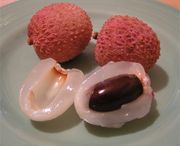
Lychees

This is a very quick, easy recipe.

Makes 4 servings.

Ingredients

1 – 20 oz. can of lychees in heavy syrup

Instructions

  • Place can in freezer;
  • Freeze till solid (several hours or overnight)
  • Just before serving, open can and let lychees soften slightly
  • Spoon into 4 dessert bowls.
(Visited 2,179 times, 1 visits today)

{ 0 comments }

Recipe

by Allergy Guy

Recipe

Coming-Soon


External Links


(Visited 4,358 times, 2 visits today)

{ 0 comments }

Tea

by Allergy Guy

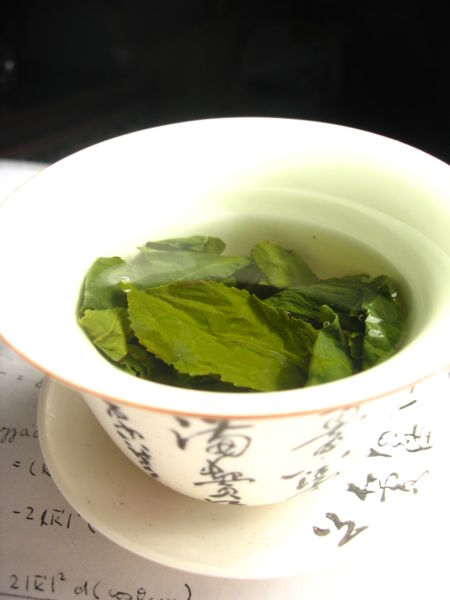
Tea


Coming-Soon


External Links


(Visited 6,745 times, 1 visits today)

{ 0 comments }

Mold Free Diet

by Allergy Guy

Of all the food-allergies, avoiding mold in food is probably one of the easiest to follow.

There are two aspects to following a mold-free diet:

  1. Avoid foods that are made with cultured molds.
  2. Avoid foods that have become moldy.

Foods Made with Mold

The tradition of making food with mold is long, but not wide. The following foods are made with mold:

  • Cheeses (not all cheeses)
  • Tempeh
  • pu-erh tea (low-quality, quickly aged only)
  • Sausages (some types)
  • Sake (see comment below)

Note: this list is not complete. As I conduct on-going research, I will update the list. Please add a comment if you can suggest missing foods.

Cheese and Mold

Cheese is primarily milk (cow, goat, sheep etc.) that has had a controlled bacterial process. Bacteria is not mold, so a cheese that uses bacteria only is safe for a mold-free diet.

Some types of cheese depend on mold to give them their character. Blue cheese is a typical example.

Moldy Food

Improperly stored food, or food that has been kept for too long could become moldy.

Mold requires humidity to grow, so humid, dark conditions are perfect for spoiling food. Food kept in the fridge will take much longer to become moldy.

You can recognize moldy food by the “fur” growing on the surface. By then it has been moldy for some time. The “fur” is the fruiting body of the mold. Before you see the furry bits, the mold has already established itself in the food.

Depending on the type of food, it may be safe to cut out the mold and eat the rest. In general, you can safely cut out mold in fruits and vegetables and then eat them. Most molds that grow on fruits and vegetables are not particularly dangerous, although they could make you feel quite sick, and certainly if you are allergic to mold, moldy food can cause an allergic reaction.

Moldy meat should be discarded as this is a real health hazard.


External Links


(Visited 44,186 times, 1 visits today)

{ 53 comments }

Mold Allergy

by Allergy Guy

Mold allergy problems are common. A small number of mold types cause most allergic reactions.  Other articles on this site cover specific types of mold.

Allergies are just one of many health problems that toxic mold can cause. Some of these health can potentially be very serious. This depends on the kind of mold. Some molds affect people only if they are allergic to it. Toxic mold is a health problem for everyone, especially when they are carcinogenic.

Is all mold bad? No, in fact certain types of cheeses are defined by the type of mold used to make them.

There thousands of species of molds. When it comes to a mold allergy, there are only a few dozen species that commonly cause allergies. The most common problems are caused by molds from the following genera:

Because mold is so prevalent, a mold allergy can be persistent. Unlike a pollen allergy, mold allergies can persist throughout the year.

There is a lot you can do to reduce your exposure to mold. This website will explain many of these.

Mold can be found anywhere that it is damp, and if you live in a humid climate, you will have mold in your living space. You can do a mold inspection yourself, but a good mold inspector can be very helpful in finding the source of toxic mold, and determining what areas are a problem, and which are not.

Even if you live in a dry climate, your house can have damp areas that grow mold, such as your bathroom and kitchen. This is usually not a problem, unless there are leaks in the plumbing, or around the sink/shower/bath that allow water spilled on the counter or other surfaces into dark areas that hold moisture and grow mold.

Note:Some soruces state that Helmin thosporium(sic) can trigger allergy symptoms in humans. This may not be accurate.

Mold Allergy in the Air

We are constantly exposed to mold spores and byproducts in the air.  Dry areas have considerably less, and damp areas considerably more.  Very dry locations may have no mold at all (assuming such locations have never been wet).

Most people live in an environment with at least some mold.  Even if the geographical location is dry perfectly, the inside of your house is not.

The tiny amounts of mold present in the average healthy environment is not a problem for most people.  Even if you have a mold allergy, it is usually excesivly damp conditions that pollute the are with mold.

Mold Allergy in Food

Most properly stored food is mold-free.  There are notable exceptions: many types of cheese for example, and improperly stored food, or food that has been sitting about for too long.

If you are allergic to mold, you should not keep left-overs for more than three days.  You can freeze left-overs if you need to keep them mold-free for extended periods.


Internal Links

External Links

(Visited 50,458 times, 1 visits today)
{ 3 comments }

Food Mold Allergy

by Allergy Guy

This allergy site has a whole section on molds. Here is a current list of all articles about mold

(Visited 1,477 times, 1 visits today)

{ 0 comments }

Bananas In Coconut Milk

by Allergy Guy

split-coconutbanana-bunch

Ingredients

2 cups coconut milk
¼ cup sugar (optional)
¼ tsp. salt
4 medium ripe bananas, peeled and cut into chunks

Instructions

  • Combine coconut milk, sugar, salt in small saucepan.
  • Bring to a boil.
  • Add bananas. Reduce heat; simmer uncovered till bananas are soft.
  • Cool to room temperature.
  • Serve.
(Visited 3,122 times, 1 visits today)

{ 0 comments }