Allergy — Gluten Allergy / Gluten Free Diet / Yeast Allergy / Asthma / + other Allergies — Page 36

Gluten free bread with a bread machine is a great way and tasty way to follow a gluten-free diet. Bread machine recommendation.

Gluten free bread is a wonderful addition to my diet lately. Having a gluten allergy is no longer the huge inconvenience it once was.

Commercial gluten-free bread is now excellent – it gets better every year. Convenient and tasty, it is also expensive.

Home made gluten free bread seems like a great alternative, so I got a bread machine lately and have been enjoying the results.

The bread machine is a Zojirushi BBCC-X20 Home Bakery Supreme Breadmaker. It is a top-of-the line machine, and makes 2lb loaves. Crucial to the success of making gluten-free bread, you can program the cycle to your own specifications.

Recipes abound for regular wheat-infested bread, but what about making gluten-free bread?

Making bread without wheat is a tricky business. It is best done with carefully tested instructions – and this comes from someone who really does not like to follow instructions. I rarely follow a recipe exactly, even the first time I make it.

But I did follow the recipe exactly for this project.

The book that make successful gluten free bread possible was Annalise Roberts’ Gluten-Free Baking Classics for the Bread Machine. This book was included with the machine (a real statement about the growing importance and popularity of the gluten-free diet) – so if you get the same deal you won’t have to buy the book too.

Annalise has discovered the secret to making excellent and successful gluten free bread in a machine, as a result of extensive experimentation. I was more than happy to let this expert waste the ingredients until she got it right, and then just follow her recipe to the letter.

I highly recommend her book.

I’ve made a couple of loaves now, both excellent. I’ll have to try some of her other recipes as well, and eventually get to the point where I can make up my own.

If you follow a gluten-free diet and are thinking of getting a bread machine, and wondering if you really can make excellent gluten-free bread, then rest assured: the answer is yes you can make great bread without too much hassle, and you can save quite a bit of money too. I think this machine will pay off in well under a year.

Finally, I can enjoy fresh, home-made gluten-free bread! What an absolute luxury!

What are your experiences with using a bread machine to make gluten-free bread? Please add your comments and share your experience.

(Visited 1,522 times, 1 visits today)

{ 0 comments }

Gluten Free Beer

by Allergy Guy

Gluten free beer is an important consideration if you have a gluten allergy or celiac.

Most beer is made with gluten-containing wheat, or more often barley.  This has made drinking regular beer pretty much out of the question for many people.

As the number of people avoiding gluten rises rapidly, a relatively new market for gluten-free beer has been filled by a number of companies.

There are a number of types of gluten-free beer, and in some cases, the beer is not actually 100% gluten-free.  This is disturbing, as some companies prefer to argue that their low-gluten beer is safe to grab market share, rather than either properly label their beer, or reformulate it to be truly gluten-free.

Some countries, Australia for example, have a very strict definition of what can be called “gluten-free”: no detectable gluten in the food.  This sounds good, but as gluten tests become more sensitive, some foods, previously labeled gluten-free, will not longer meet the requirements.  Never the less, this is a good standard to aim for.

Other countries, such as UK, have a specific level below which the food can be labeled “gluten-free”: 20 ppm (parts per million).  Whether this is is a truly safe level or not can not be stated with 100% confidence.

Another consideration is that drinking enough beer that such low levels of gluten become a big problem probably mean that the intake of alcohol itself will be even more problematic. 

Since even tiny amounts of gluten can have serious long-term consequences for celiacs, all gluten is best avoided.

If you have a gluten allergy, then the amount of gluten you can tolerate is more at your discretion – if you don’t notice any symptoms, then you are probably fine.

Gluten free beer is usually made with pseudograins – grain-like crops such as sorghum, and buckwheat, as well as true cereals, such as rice and corn.

According to Wikipedia, some beers from England and Finland may be safe to drink even though they are not specifically labeled gluten-free. Some examples follow.  Make your own decision according to your own standards:

Beer

ppm

Against the Grain 13
Koff 20
Laitilan 4
   

You may prefer to avoid all beers that are not specifically gluten-free by way of their ingredients, not their processing.

Some brands of beer use rice and barley.  They state that no gluten from the barley ends up in the beer, but there is no certainty that the resulting beer is truly safe for celiacs. Instead, they explain that the barley is converted into amino acids.


Internal Links

External Links

(Visited 8,659 times, 1 visits today)

{ 4 comments }

Buckwheat

by Allergy Guy

Buckwheat is not a type of wheat, it is not even a member of the grass family, and is therefore not a type of grain or cereal.  Buckwheat is in the knotweed (smartweed) family and is considered a pseudocereal.

There are several types of buckwheat, but the type most often consumed by humans is Fagopyrum esculentum, or common buckwheat.

Buckwheat is a nutritious food and a great addition to a gluten-free diet.

[click to continue…]

(Visited 10,812 times, 1 visits today)

{ 14 comments }

Gluten-free Diet

by Allergy Guy

Gluten-free diet is becoming increasingly popular for two main
reasons:

1) More people are discovering that they are celiac.
2) More people are discovering that they have a gluten allergy or that gluten makes them feel sick.

A gluten-free diet means eliminating wheat, barley, rye and oats from your diet. There is controversy over whether the gluten in oats is actually harmful to celiacs. You are best advices to avoid oats, even oats labeled as gluten-free, if you are celiac. If you are not celiac, then decide based on how oats affects your energy and your health.

While avoiding these grains makes eating similar to crossing a mine field, there are a great many foods that you can eat with perfect safety. See the ingredient section for more information.

For those with a wheat allergy, a gluten-free diet is useful, as it guarantees they will not be eating wheat. However, it is more restrictive than necessary. It is at least a convenient catch-phrase in restaurants and when invited to dinner to make sure people understand your dietary needs.

When I tell waiters that I am allergic to wheat, they often respond “oh, a gluten-free diet.” At least I know they understand, and can dine with confidence.

For those with celiac disease, a 100%, completely gluten-free diet is a must. Cheating will result in short-term symptoms, and possibly long-term damage, which in severe cases can be fatal.

At one time, following a gluten-free diet was very difficult. It pretty much meant you couldn’t go out anywhere for fear of eating contaminated food, as gluten, and especially wheat is so common in so many foods world-wide.

Even South-East Asian food, which is largely based on rice, does use a lot of soya sauce (soy sauce), which is made with wheat. Some people can tolerate this level of gluten, but again, if you are celiac, you have to be much more careful.

If you find that gluten makes you feel ill, it is up to you to determine your own tolerance level.

Many products are now tabled “gluten-free”. Such labels must be taken with a grain of salt in many cases. Not all food that is so labeled is made in gluten-free factories, and can be cross-contaminated by gluten-containing foods made with the same equipment.

Some gluten-free grains get cross-contaminated during the bulk phase of shipping and packaging.

While it is possible to get certified gluten-free food, it is also that much more expensive.

It is well worth doing your best to avoid all gluten, but some tiny amount of gluten is bound to enter your diet, despite your best efforts.

Rather than becoming stressed and paranoid about this, it is best to do everything possible to avoid gluten, but not worry about factors you can not control. The increased stress associated with worrying about the possibility of cross-contamination can itself be quite destructive.

Having said this, do your best to avoid gluten if you are celiac or have a gluten allergy. The more you are able to avoid gluten, the healthier you will be and the better you will feel.

The key to being successful with a gluten-free diet is to concentrate on what you can eat, at the same time know what to avoid. By concentrating on what you can eat, you will have a positive attitude towards following what might otherwise seem like a strict and unfair dietary regime.

Just remember that if gluten causes you grief, it is well worth avoiding so that you feel great all the time. If you are just starting out, know that it gets easier to follow a gluten-free diet over time.

Allergy-details contains a great deal of information about following a gluten-free diet, including recipes and descriptions of gluten-free foods.

Questions? Comments? Do you feel something has been left un-said in this article? Leave your comments, feedback, questions and experiences with the gluten free diet here:

(Visited 58,574 times, 1 visits today)

{ 11 comments }

Gluten

by Allergy Guy

Gluten

Gluten is a class of proteins found many grains.

Of all the types of gluten found in grains, it is the specific types found in wheat, rye, barley and oats that are problematic for celiacs.

When most people refer to “gluten”, they usually mean the types found in the grains listed above.

Wheat gluten consists largely of two specific proteins: gliadin and glutenin. Together, they make up 80% of the total protein content in wheat.

The high-gluten content in wheat makes this grain unique. It is prized for how it affects the consistency of baked goods. It holds food together, yet before it is baked it is highly elastic. This combination allows bread to rise with a nice network of bubbles throughout, then become solid yet chewy when baked.

The bubbles in bread are formed by carbon dioxide which is produced by the yeast in bread. Yeast will ferment nicely in gluten-free flours, but it is the elastic nature gluten that allows yeast to raise the bread properly.

Gluten-free flours rely on a blend of fours, and often various types of gums to simulate the effects of gluten.

Gluten also provides the strength necessary to make thin pastry, that may be flaky, depending on the recipe,but not crumbly.

Gluten has the unfortunate affect on people with celiac disease of destroying their intestines, and eventually other internal organs.

Gluten Allergy

Someone suffering from a gluten allergy is allergic to one or more types of gluten protein. It may be that they can be allergic to one type of gluten (e.g. wheat gluten) but not other types of gluten.

A gluten allergy could be confused with a wheat allergy without proper tests. There are other proteins besides gluten in wheat that some people become sensitive to.

Gliadin

Gliadin allows bread to rise properly and maintain its shape while baking.

It is also the primary pathogen for people with celiac disease.

Gliadin is sometimes used as a delivery method for certain types of enzymes, such as superoxide dismutase, by fusing it to gliadin. This allows the enzyme to get past the stomach without breaking down in stomach acid.

Processed gliadin may be involved in causing a gluten allergy.

Glutenin

Glutenin gives dough its firmness. It cross-links with gliadin to give wheat bread its unique characteristics.


Internal Links

Avoiding wheat gets you 95% of the way towards avoiding gluten. See these links for more information about a wheat-free diet:


External Links


(Visited 41,432 times, 1 visits today)

{ 0 comments }

Allergy to wines is a real problem for some people.

Some people seem to be allergic to all types of wine, where as others seem to have reactions to very specific types of wine.

Some are allergic to alcohol but I am referring to people who can drink alcohol but not wine, or certain types of wines.

Wine Allergy Research is the Purpose of this Article

What wines do you find to be the most problematic? Is it a certain brand, a certain region, a certain style, or a certain type of grape?

[click to continue…]

(Visited 120,953 times, 1 visits today)

{ 530 comments }

Gluten-Free Barbeque

by Allergy Guy

A gluten-free barbecue – its easier than many situations.

I am just about to head out to my friend’s place for a BBQ.  He’s supplying the meat and the condiments.  I assume that includes buns as well, which will of course be made with wheat.  This just won’t do.

If I’m lucky, his girlfriend will remember my gluten allergy and remember to bring gluten-free buns, but I’m not counting on it.

So I’m bringing four slices of gluten-free bread.  I’m also bringing cassava chips – a nice change from corn chips, and some gluten-free cookies.

I’ll be avoiding most of the condiments.  Catsup can have gluten added to it, without it being listed on the ingredients.  I’ll have to find out more about that before I try catsup again.  Prepared mustard can also be laced with wheat, so I’ll be avoiding that too.

It will be fun, tasty and safe, although I will be watching the grill carefully to make sure the buns are kept well apart from the meat!

(Visited 1,748 times, 1 visits today)

{ 0 comments }

Gluten Allergy Cause

by Allergy Guy

Gluten allergy may have a cause.

First, note that a gluten allergy is considered rare.  More common is gluten sensitivity, or celiac disease. 

Some people are allergic to wheat, but not the gluten in wheat.  For such people, following a gluten-free diet, now growing ever more popular, is a convenient way of avoiding wheat, using language (“gluten-free”) that more and more people are familiar with.

The medical establishment is very conservative in attributing cause and effect, especially when there is not clear surgical intervention or prescription medicine to manage a specific set of symptoms.  Keep this in mind as you continue to read this article.

[click to continue…]

(Visited 3,213 times, 1 visits today)

{ 0 comments }

Allergy to Meat

by Allergy Guy

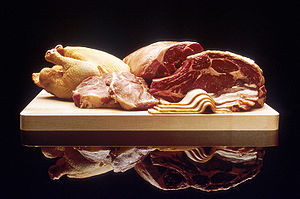
Meat allergies seem to be more of a problem than many people think, especially doctors.

There is a meat allergy article on this website that gets quite a few visitors.

Many tell a similar story of having a definite allergic reaction to various types of meat, especially pork, but beef too. Often their doctors tell them that there is no such thing as a meat allergy.

This just isn’t true. A meat allergy is considerably less common than a pollen, mold, wheat, dust or gluten allergy, but it is common enough to get quite a bit of interest on this website.

If you have a meat allergy, then it can be managed by avoiding the specific types of meat you are allergic to. Many people report being allergic to just one or two types of meat. Occasionally people are initially allergic to one type of meat (for example pork) and later develop an intolerance to beef.

allergy to meat

There must be other people who are sick a lot (or occasionally, depending on their eating habits), who do not realize that they are allergic to meat.

In this case, it is well worth cutting out meat for a while to see if you stop getting sick.

Some people seem to need at least some meat in their diet, so if cutting out meat prevents you from getting sick, you can then try specific types of meat to see it’s effect:

See the list of meat for ideas on alternate types of meat. This may give you some new ideas about what to eat.

(Visited 10,249 times, 1 visits today)

{ 27 comments }

List of Meat

by Allergy Guy

List of meat used as food. If you are allergic to one or two types of meat, you may be able to try some of the others. Some meats are exotic, be adventurous!

I have tried to remove endangered species and any kind of totally weird meat (to most Westerners, such as insects), but a few may have slipped in. Feel free to provide feedback in the comments section.

  • Beef (bovines):
    • American Bison
    • Caraba
    • Cattle
    • Veal (calves)
    • Yak
  • Lagomorphs:
    • Hare
    • Pika
    • Rabbit
    • Marsupials:
    • Kangaro
    • Opossum
    • Wallaby
  • Ovis (sheep):
    • Lamb
    • Domestic Sheep
    • Bighorn sheep
  • Caprae (goats)
    • Domestic Goat
    • Ibex
    • Wild goat
    • Barbary Sheep
    • Dall Sheep
    • Mountain Goat
  • Suidae (swine):
    • Domestic pig
    • Peccary (Javelina)
    • Wild boar
    • Red River Hog
    • Bushpig
  • Venison (Cervidae):
    • Caribou (reindeer)
    • Deer
    • Moose
    • Antelope
  • Rodents:
    • Guinea pig
    • Capybara
    • Groundhog
  • Pinnipeds:
    • Walrus
    • Earless seal
    • Eared seal
  • Other mammals:
    • Camel
  • Poultry (birds):
    • Chicken (for “Chicken Of the Sea”, see Tuna)
    • Duck
    • Goose
    • Turkey
    • Game birds:
      • Dove
      • New World quail
      • Ostrich
      • Emu
      • Guineafowl
      • Pheasant
      • Grouse
      • Partridge
      • Quail
      • Pigeon
  • Reptiles:
    • Lizard
    • Snake
    • Iguana
    • Crocodile
    • Alligator
  • Fish:
    • Anchovy
    • Basa
    • Bass
    • Catfish
    • Carp
    • Cod
    • Crappie
    • Eel
    • Flounder
    • Grouper
    • Haddock
    • Halibut
    • Herring
    • Kingfish
    • Mackerel
    • Mahi Mahi
    • Marlin
    • Orange Roughy
    • Perch
    • Pike
    • Pollock
    • Salmon
    • Sardine
    • Snapper
    • Sole
    • Swordfish
    • Tilapia
    • Trout
    • Tuna
    • Walleye
  • Echinoderms:
    • Chilean sea urchin
  • Crustaceans:
    • Crab
    • Crayfish
    • Lobster
    • Prawn
    • Shrimp
  • Mollusks:
    • Abalone
    • Clam
    • Conch
    • Loc
    • Mussel
    • Oyster
    • Scallop
    • Snail (alssee escargots)
    • Cephalopods:
      • Cuttlefish
      • Octopus
      • Squid

What is your experience with alternate types of meat?
Feel free to leave comments about your experiences, or about the list above.

(Visited 16,484 times, 1 visits today)

{ 6 comments }